MS Fluidizing Pads About
MS Fluidizing Pads
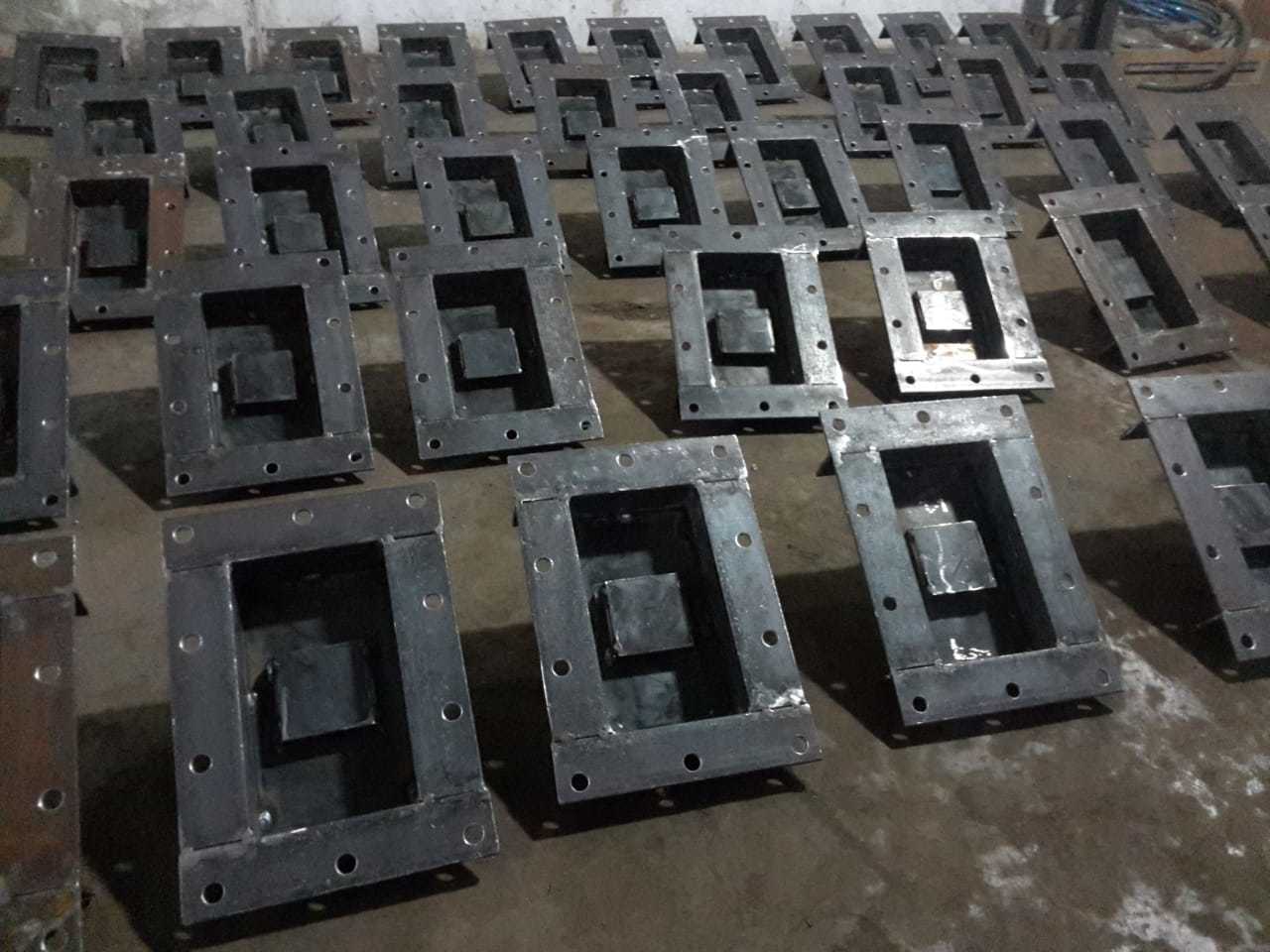
Backed by ultra-modern machining setup and well-experienced team members, we are committed towards offering a comprehensive line of MS Fluidizing Pads to valued clients. Such kinds of pads are designed to be utilized for maintaining the flow of material out of hoppers as well as silos. The friction between the product and the wall can be decreasing inside the silo's cone by adding air pressure to these types of pads. Also, the MS Fluidizing Pads are able to make balanced material discharge better.
Efficient Material Flow SolutionsOur MS Fluidizing Pads are engineered for seamless material movement in silos and hoppers, utilizing pneumatic operation to prevent blockages and improve process efficiency. Compatible with diverse industries, their design ensures reliable and consistent discharge of powders and granules.
Customizable and Durable ConstructionThese pads are available in a range of colors based on customer requirements and are fabricated from high-grade Mild Steel or Ceramic. Such flexibility ensures optimal performance and compatibility with specific operational needs, while promising longevity and ease of maintenance.
A Trusted Indian Supplier for Multiple IndustriesAs a reputed distributor, exporter, manufacturer, supplier, and trader based in India, we focus on delivering quality and service excellence. Our fluidizing pads have a proven track record in the cement, power, agriculture, and chemical sectors, adapting seamlessly to various dust and material challenges.
FAQ's of MS Fluidizing Pads:
Q: How do MS Fluidizing Pads facilitate material flow in silos and hoppers?
A: MS Fluidizing Pads are installed at the base or sloped sides of silos and hoppers. When connected to a pneumatic system, they introduce controlled air, reducing material friction and enabling smooth, blockage-free discharge of bulk materials like powders and granules.
Q: What industries benefit from using these fluidizing pads?
A: These pads are extensively used in the cement industry, power plants, agriculture storage, and chemical processing facilities. Their effective design addresses challenges related to cohesive and fine materials commonly encountered in these sectors.
Q: When should you install fluidizing pads in your material handling systems?
A: Fluidizing pads should be installed when experiencing issues with inconsistent flow, bridging, or material hang-ups in storage vessels. Early installation helps to preempt and prevent operational delays or material wastage.
Q: What materials are MS Fluidizing Pads made from and why?
A: They are constructed using Mild Steel or Ceramic, chosen for their excellent durability, resistance to wear, and compatibility with a wide array of stored materials. This ensures a robust performance even in demanding industrial environments.
Q: Where can these fluidizing pads be sourced in India?
A: We serve as a distributor, exporter, manufacturer, supplier, and trader for MS Fluidizing Pads across India. Orders can be placed directly with us for both standard and customized requirements.
Q: What is the process for pneumatic operation of these pads?
A: Pneumatic lines are connected to the pads, which periodically supply air to agitate and aerate the material. This prevents compaction and enables consistently smooth material flow from silos and hoppers.
Q: What are the key benefits of using MS Fluidizing Pads?
A: The main benefits include eliminating material clogs, reducing manual intervention, minimizing downtime, improving discharge rates, and extending the lifespan of storage vessels-all contributing to more efficient and cost-effective operations.
 Call Us : 08045476286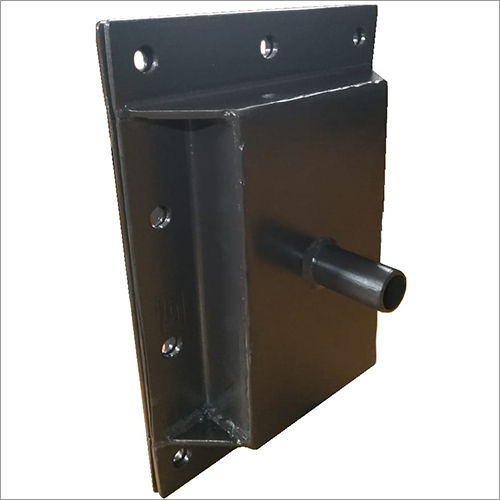







 Send Inquiry

 Send Inquiry
 Send Inquiry
 Send SMS